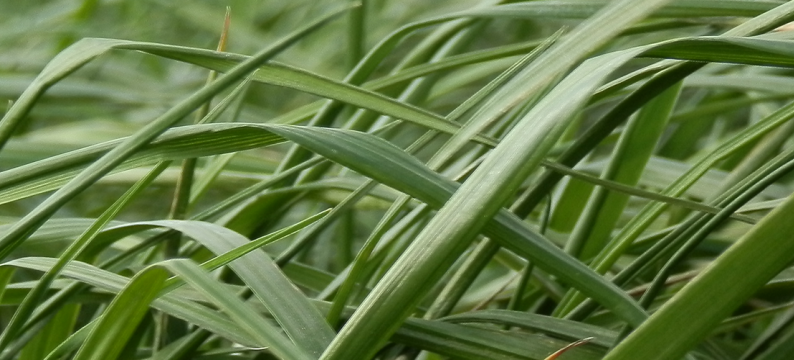
Grassmax
A diploid annual ryegrass that offers exceptional winter production.
-
Ideal for winter grazing, silage and early hay production
-
Will fit into systems where it can be followed by a summer crop
-
Early-mid maturity
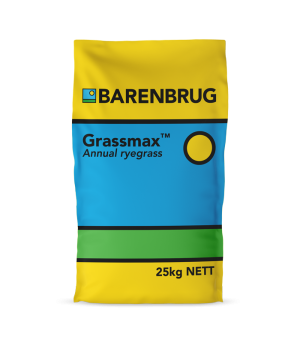
Grassmax is a diploid annual ryegrass that offers exceptional winter production. Grassmax provides a reduced cost feed option for low rainfall or short growing season regions or where fast winter feed and silage can be followed by a summer forage crop.
Key Features
- Diploid annual ryegrass
- Early-mid maturity
- Good seedling vigour
- Excellent early forage production
- Ideal for winter grazing, silage and early hay production
- Will fit into systems where it can be followed by a summer crop
- Upright and erect growth habit
Benefits of sowing GrassMax
- Fast establishment, leading to very short time to first grazing
- High winter production levels allows for the winter feed gap to be filled
- Offers very good adaptability to a wide range of soil types and climatic conditions
- Densely tillered, fine leafed, hardy option for a range of environments
Pest resistance
Grassmax has standard ryegrass pest resistance. Monitor for insect damage and control where necessary.
- Agronomy and Management
Establishment
It is recommended to sow in autumn or spring into a moist, fine seed bed free of broadleaf weeds and other grasses. GrassMax™ should be sown at a depth of 1–2cm but can also be direct drilled into bare ground or over sown into an existing run–down pasture, using the correct sowing equipment.Fertilizer Establishment
Depending on soil fertility apply 25kg/ha of nitrogen and a good amount of phosphorus.Fertilizer Maintenance
Topdressing with 40–50kg/ha of nitrogen after each grazing or cut. Correct trace element deficiencies as required, based on soil and plant tissue testsGrazing
For new sown pastures, avoid grazing while plants may be pulled out or paddock is susceptible to pugging. Once established, rotationally graze with grazing intervals based on LER (leaf emergence rate). This will vary depending on climatic conditions. These ryegrasses perform best when stock is introduced at the 2.5 to 3 leaf stage and removed when enough reminant leaf is present to allow quick growth.Weed Control
Appropriate weed control strategies should be used. For best results, select a paddock that has just been in crop with a finely worked seedbed. Spray graze techniques using appropriate herbicides may provide opportunities for good broadleaf weed control. Selective herbicides for both broadleaf varieties are also available and useful for more effective weed control. Consult your local agronomist for more information and recommendations.Consult your local agronomist for more information and recommendations.
Specifications
| Name | Value |
|---|---|
| pH | 4.8 – 8.0 |
| Rainfall requirement (min) | 450mm-550mm+ |
| Sowing rates | Pure stand: 15–25kg/ha Mixes: 10–15kg/ha |

Grassmax