Fortune
For excellent persistence over extended dry summers.
-
Exhibits excellent persistence
-
Bred for improved survival under hot and dry conditions
-
Suitable for all classes of livestock
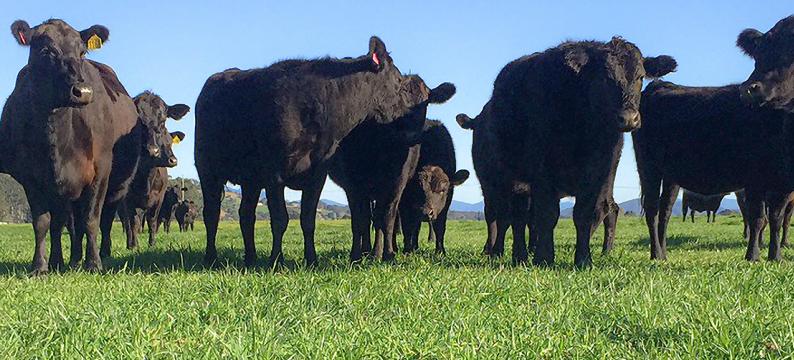
Fortune also has outstanding forage yield, offering higher winter, early-spring and autumn production. Bred using genetics from the Mediterranean region of Europe, Fortune also exhibits excellent persistence over extended dry summers.
Fortune's growth characteristics include medium width leaves which are finer than many other typical summer active fescues.
Key Features
- Australian-bred summer active tall fescue
- Bred for improved survival under hot and dry conditions
- Excellent seedling vigour with densely tillered fine leafy growth
- Suitable for all classes of livestock
- Improved seasonal winter yield and total yield
Benefits of sowing Fortune
- Improved survival under hot and dry conditions compared with other summer-active cultivars
- High forage yield, improved winter growth and better persistence
- Endophyte free
Performance
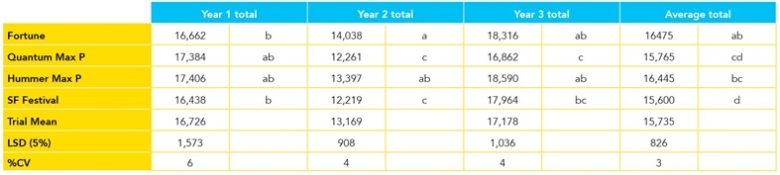
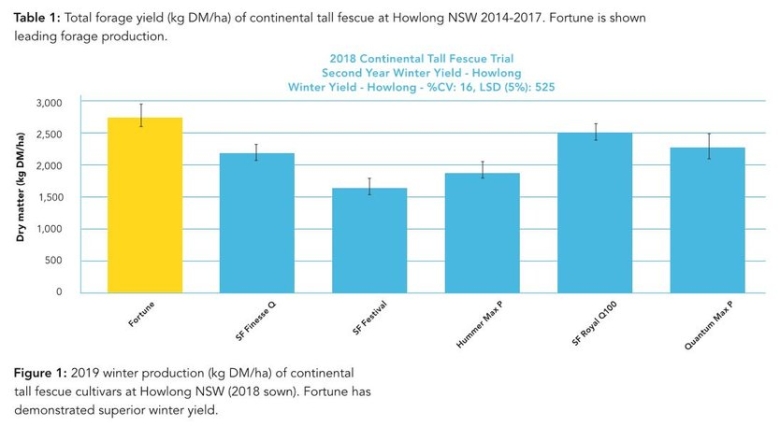
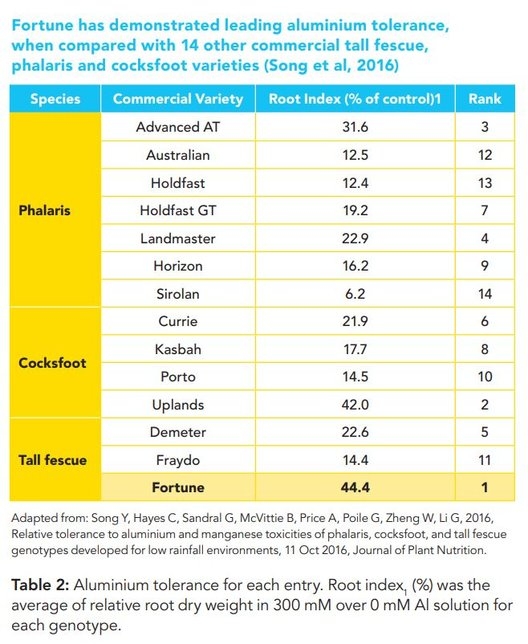
Fortune exhibits strong performance in total yield as well as a significant increase is winter production over competitor varieties. Bred specifically for Australian conditions, Fortune displays superior persistence without compromising yield.
- Agronomy and Management
Grazing
Ensure the first grazing doesn’t take place until the plants are sufficiently anchored. This can be 6-8 months depending on the sowing timing and climate. Use your hand to pull on the plants at grazing height, if the plants remain in the ground, then grazing can commence. Once established, tall fescue should be rotationally grazed to keep biomass down for best results (and prevent feed quality from declining). Continental tall fescues will require heavy grazing under good growing conditions in spring/summer. Avoid heavy prolonged grazing during particularly dry periods to give stands the best chance of drought survival.
Fertiliser
For best performance, soil fertility and acidity problems should be amended prior to sowing. It is usually best to plant with 60-100 kg/ha of MAP or other starter fertiliser at sowing to provide some starter phosphorus and nitrogen.
Weeds
Tall fescue is a slow establishing species, so reduce the weed burden of a paddock should commence in the season prior to sowing by reducing the seed-set of annual weeds with either a herbicide control or silage. Additionally a knockdown herbicide (such as Glysophate) is the best applied prior to sowing if weeds are present.
Specifications
| Name | Value |
|---|---|
| Sowing rates | 8-15 kg/ ha into a clean, weed-free seed-bed with adequate soil fertility |

Fortune