
Forage Solutions After Flood or Waterlogging
Flooding events present significant challenges for farmers, particularly concerning pasture recovery and feed availability as winter approaches.
Quick solutions like planting Annual Ryegrass can provide a nutritious and timely option to support livestock through these challenging conditions.
Let's explores the practical strategies to restore pastures, manage nutrient deficiencies, and make the most of the opportunity to prepare for the colder months ahead.
Recovering from the Flood
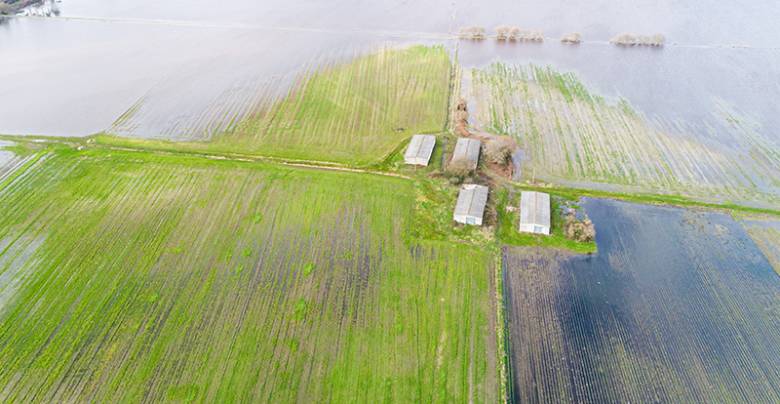
Widespread rainfall can cause moderate to major flooding, as experienced recently in Southern QLD and Northern NSW, with some areas inundated for a substantial period.
Although most species of warm season grasses recover well post flood, their recovery can be influenced by a number of factors including:
- Health of pasture prior to flooding
- Duration of time submerged during flooding
- Timing of flooding event
The timing of flooding is one of the main concerns, most pastures should recover from flooding given time, however sometimes there is little time for pastures to recover before the onset of winter and the cooler frostier conditions we can experience from April onwards.
This lack of recovery before winter poses a very large feed gap problem for the stock we have left on hand and want to carry through winter.
Quick Solutions for Feed Gaps
A quick option for areas where flooding has affected pasture growth into winter, is sowing an Annual Ryegrass such as Hogan, Fuze or Vortex.
Annual ryegrass is extremely quick to first grazing (6 weeks) and provides nutritious quality feed to keep cows fed and happy through this shortfall of feed. Ryegrass handles wet conditions much better than forage cereal species, and its smaller seed size makes it an easier option for many seeding methods, including broadcasting.
Soil conditions in Autumn provide optimal temperature for Annual Ryegrass germination and emergence. So once water is off and paddocks are trafficable, we can get sowing straight away.
For areas too wet for conventional planting, we can look to aerial seeding such as broadcasting from a drone. In this instance its best to increase seeding rates by a minimum of 20% (above direct drilled rates) for optimal results.
Managing Challenges and Maximising Feed Potential
Flooded and waterlogged soils pose challenges to key nutrients such as Nitrogen. It is extremely important to use adequate fertiliser to encourage growth and maximise feed produced in such a challenging environment.
Remember, flooding often brings in a lot of unwanted weed seeds. Ryegrasses allow for effective flexible in-crop control of many broadleaf weeds with registered herbicide options. This will also allow you to keep your paddocks clean and tidy, or perhaps enter into a renovation clean up phase to establish new permanent pastures.
What may seem like a major challenge can be an opportunity to grow some high quality winter feed as we move towards the cooler months; in turn allowing your farming business to recover and move forward.
Varieties to consider:
Hogan
-
Late season quality and re-growth
-
Very late maturing tetraploid annual ryegrass
-
Superior total forage yield in high rainfall areas
Fuze
-
High winter production
-
More home-grown feed
-
Suitable for grazing, hay or silage
Vortex
-
Performs well in hot environments due to Australian selection pressures
-
Adaptable & reliable performance across a wide range of environments
-
Excellent establishment vigour