
How to Get Year-round Feed
Here we focus on the importance of effective grazing management and feed budgeting for livestock farmers. It highlights the value of maximising pasture utilisation, reducing wastage, and ensuring a consistent and sustainable feed supply for your herd.
By adopting strategic practices, farmers can enhance productivity, secure the future of their business, and optimise their time and resources.
Strategy 1: Diversify Your Farm to Bridge the Gaps
Depending on the climate location of your farm, consider planting both cool season and warm-season forages. Avoid mixing these forages together in the same pasture unless the predominant species experiences complete dormancy at some period during the alternate growing season. Perennial cool season and warm season grasses should not usually be planted together, as they compete for moisture and nutrient in the key pinch point times. Look to diversify your paddocks, dedicating some to warm season grasses such as Megamax059™ Panic or Endura Rhodes.
By including warm season forages on your farm, you have the flexibility to graze your animals on the warm season forage during the summer and allow the cool season forage “rest” time during their semi-dormant period, or a fallow for weed control and ability to build soil moisture levels in areas unable to support cool season grasses past the annual stage. In true transition zones, the cool season forages such as Summadorm Cocksfoot will break out of their summer semi-dormancy while the warm season forages are slowing down allowing for those cool season forages to extend the amount of grazing days you get out of a paddock.
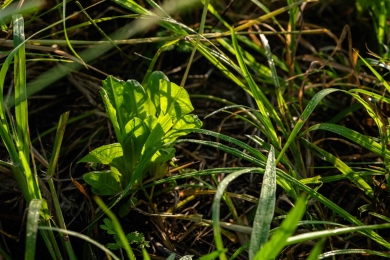
The best feed is always green actively growing feed, however in some environments this is not a possibility year round. Research has show that stockpiled Endura Rhodes has a higher dry matter digestibility than older Rhodes varieties and even Buffel grass during the dry season. This means your stock can physically eat more of the dry standover feed, allowing them to get more energy and protein compared to other grasses. Keeping them happier and in a better condition score over the dry season.
Strategy 2 - Annual Winter Forages
For those producers who utilize warm season perennials, huge extensions the grazing season by overseeding with annual ryegrass can be achieved. This strategy is mainly used in areas that receive reliable winter rainfall. The use of annual ryegrass like Hogan or Fuze means that the ryegrass will produce feed yield and quantity in winter as the summer grasses lay dormant and then began to die out as the warm season pasture kicks off and begins to break dormancy.
In lower rainfall situations, it is necessary to prepare for winter annuals by using a “Fallow” period. This allows for moisture to be stored in the soil for the annual forage to draw upon during the season. In these regions deeper rooted forage cereals like Sorcerer and brassica species like Leafmore are more suited. However co-planting ryegrass at lower rates with the cereal can greatly improve overall forage quality and quantity produced.
Strategy 3 - Summer Annual Forages
Quick growing summer annuals such as Nudan or Sustain LS can provide very critical feed reserves for some farming operations. These forages are often used as either quick finishing pastures with high stocking densities or as key species for forage conservation such as hay.
For some situations like true dry season zones, summer annuals like Hunnigreen provide a critical “Standing Haystack” that farmers can carry into the dry season and can “Harvest” by grazing by animals when the feed is required. The cost of planting one of these forages can be multiple times cheaper than purchasing in hay to fulfil the same purpose.
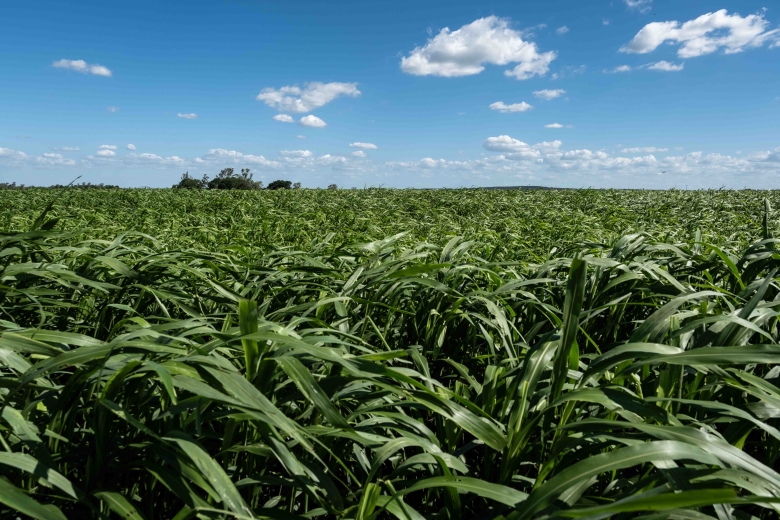
Strategy 4 - Feed Budgeting: Make the Most of What You’re Growing
By implementing grazing strategies such as rotational grazing or late season spelling, it allows for the ability to feed budget.
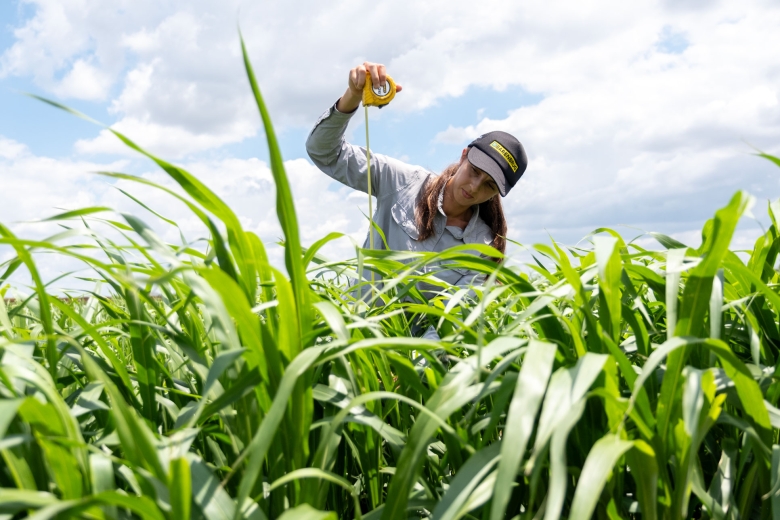
If animals grazing is not controlled they will graze selectively and not consume all forage available to them, this coupled with other set stocking factors such as trampling and defecation render a large proportion of the feed you have grown unusable. This means you would be utilisisng very little of the pastures you have worked hard to produce.
By implementing some form of grazing management and feed budgeting, it gives you security for your business and your herd, knowing exactly how many months, weeks or days of feed are in front of you, making other critical management decisions easier and giving you the luxury of time (Something so scarce in any farming business).
Summary
Implementing proper grazing management and feed budgeting strategies is essential for building a resilient and efficient farming operation. These practices not only safeguard the nutritional needs of your herd but also empower you to make informed decisions that benefit both your business and the environment. By committing to these methods, you can take control of your resources and set a strong foundation for long-term success.
Varieties to consider:
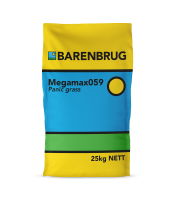
Megamax 059
-
Use pattern 5-20+ year tropical grass pasture systems
-
High quality feed production
-
Suits a wide range of soil types and conditions
Fuze
-
High winter production
-
More home-grown feed
-
Suitable for grazing, hay or silage
Hogan
-
Late season quality and re-growth
-
Very late maturing tetraploid annual ryegrass
-
Superior total forage yield in high rainfall areas
Nudan
-
Fine stemmed for quicker drydown after cutting
-
Intensive grazing for sheep and cattle
-
Low prussic acid