
Crackerjack 2
Suited to rotational grazing and is an exceptional option for whole crop silage.
-
Excellent green leaf retention in later stages of maturity
-
Very high forage yield
-
Reduced need for fungicide application

Crackerjack 2 is a high performance mid/late forage type triticale, bred to provide high forage yields. It provides good early growth, excellent overall forage yield and grazing tolerance.
Best suited to rotational grazing and is an exceptional whole crop silage variety. Crackerjack 2 supersedes the original Crackerjack by Barenbrug.
Key Features
- Impressive spring bulk up for very high silage yield potential
- Dark green, long and broad leaves
- Very good lodging resistance
Benefits of sowing Crackerjack 2
- High growth in autumn-early winter
- Earlier sowing option than the original Crackerjack
- Excellent green leaf retention in later stages of maturity
Application
Crackerjack 2 is ideal as a winter forage crop for dairy and livestock systems. It has been developed for whole crop silage production and is well suited to grazing and hay production. Crackerjack 2 is also an excellent option for paddock preparation and reducing weed/pest burdens for subsequent pasture renovations. It is particularly suited to areas where waterlogging and/or soil Al levels limit production for other cereals. Crackerjack 2 has found to become susceptible to stripe rust and hence appropriate fungicide management my need to be implemented.
Performance
Crackerjack 2 has high growth in autumn-early winter when most other triticale varieties tend to produce less, and continues to grow well for the spring bulk-up. With excellent green leaf retention it will produce very good quality silage or hay.
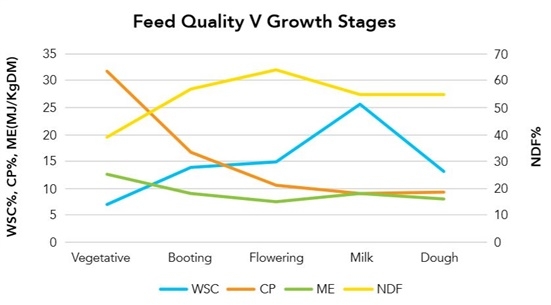
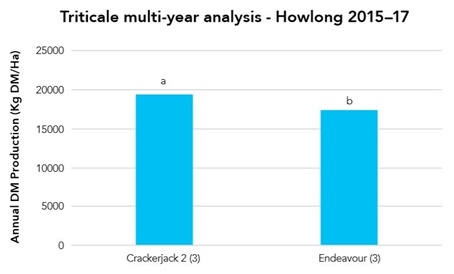
With good winter production as well as excellent spring yield of good quality forage, Crackerjack 2 makes a very versatile winter crop option. In all trials Crackerjack 2 has consistently out yielded other similar triticale varieties. It can be grazed through winter and then locked up for whole crop silage or hay production. For maximum whole crop silage yields the crop should only be grazed once early in the season, later grazing will reduce final yields.
- Agronomy & Management
-

Specifications
| Name | Value |
|---|---|
| Rainfall requirement (min) | 450mm |
| pH | 4.8-8.0 |