Cocksfoot Seeds

Cocksfoot is a tussocky, true perennial grass that suits lighter, well drained soils. It is the most acid-soil tolerant grass species and will often do well where many other
grasses struggle to produce. Cocksfoot will also suit higher rainfall areas with free-draining, low pH soils e.g. granites and deep sands. It will perform best where
reasonable fertility can be maintained and rotational grazing adopted, although cocksfoot pastures may be set-stocked for reasonable periods through spring if
required. Cocksfoot does not contain any substances harmful to grazing animals.
Cocksfoot is slow to establish as the seed is small and light-weight. Cocksfoot is generally used in a wide range of rainfall areas from very low to very high, as a component in a pasture mix with clovers and other grasses. Higher sowing rates will result in the cocksfoot becoming dominant over time. It is generally used in
extensive sheep and beef production, although there is scope for use within dairy systems.
Maintaining higher levels of soil fertility will help to increase production, persistence and feed quality.
There are many varieties available, with some more noted for having a dense crown, and tolerant of drought and close grazing; others being less dense, more upright and better companions for clover.
Cocksfoots are now available over a spectrum of summer dormancy, with the dry tolerant Summadorm at one end, summer active Safin at the other and the intermediate Howlong in between. Plant breeding has also taken place to select for fines leaves, leading to increased overall stock acceptance.
Cocksfoot can be very persistent and become the dominant pasture if not carefully managed. Levels of cocksfoot in the pasture mix should be monitored as animal performance may decline if it becomes the dominating species. It is suggested that cocksfoots are used in mixtures with other grasses such as ryegrass, phalaris or tall fescue. Other companion species include lucerne, white clover, red clover, strawberry clover and sub-clovers.
Cocksfoot Grazing Management
Plants will benefit from light grazing during the first 6 – 8 months after an autumn sowing, provided the root system has developed adequately.
Light rotational grazing will encourage root development and allows it to compete with any legume which may have been sown as a companion species. If
sowing with ryegrass, reduce the ryegrass sowing rate, and manage new pastures to ensure the cocksfoot can establish effectively. This may involve one or two initial
on-off grazings with close monitoring.
In summer dry areas, avoid over-grazing during the spring/summer period. If grazing with sheep, extra care must be taken through dry periods as they can damage
young and established crowns due to cocksfoot’s erect growth habit. Poor management will lead to reduced plant numbers and persistence.
Cocksfoot pastures grazed with sheep should be rotated frequently so as not to allow the sheep to continually graze close to the crown. Over grazing during this period, in combination with moisture stress, can cause the stand to thin out significantly and allow weed invasion. This is particularly the case for summerdormant
(Mediterranean) types such as Summadorm.
Intermediate types such as Howlong and Porto, due to moderate capacity for summer growth, will require some level of summer grazing pressure to be applied.
If this is not done, plants may become tall and rank as the autumn period approaches, thus reducing the quality of the overall pasture.
Summer active types such as Safin are available to offer productivity in lower fertility areas subject to summer rain or complemented by irrigation. Safin
may be readily grazed as part of a mixed pasture in a summer active sward.

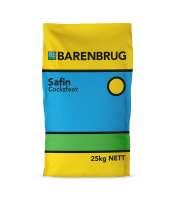
Safin
-
40-50% higher tiller density than most other cocksfoots
-
Increased early spring production with high total DM
-
Suits lambing and calving patterns in medium rainfall dryland systems
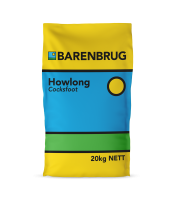
Howlong
-
More compatible with other pasture varieties
-
Finer, soft leaves
-
Excellent autumn and winter growth
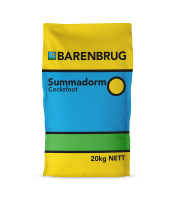
Summadorm
-
Superior persistence in low-medium Mediterranean environments
-
Remains dormant over summer, aiding survival in very-hot environments
-
A perennial option for light acid soils