
Late Autumn Fast Feed Options
Late autumn sowing can present challenges for successfully establishing perennial pastures or lucerne.
Limited soil moisture, reduced temperature and sunlight, longer establishment period and increased relative weed and pest pressure may lead to sub-optimal results.
The costs associated with perennial seed types, establishment time and opportunity cost of having paddocks out of rotation may mean that there is merit in postponement. Instead, sow a faster establishing annual winter feed option.
The short- and medium-term benefits of adopting such an option may include: increased winter feed availability, reduced near-term cost, increased potential for silage and hay production, and an additional agronomic step towards fully preparing a site for successful perennial option when seasonal conditions allow.
Soil Conditions and Paddock Considerations
It is highly recommended to conduct a soil test to be sure that fertility levels are suitable. Autumn may also be a suitable time to address other soil issues such as pH with lime or to apply gypsum.
Also consider that there may be a varying amount of soil nitrogen mineralisation after a lengthy dry spell, especially in higher organic matter soils, and where the new seed is being sown into fertile soils. Cultivated paddocks will also generally offer the new pasture greater nitrogen availability. This factor may affect the nitrogen budget for the new pasture, as excessive nitrogen availability may create conditions for nitrate poisoning, especially in vigorous crops heading into cooler periods.
Reflect on the paddock’s aspect, soil type and drainage. Whilst it may be very dry in autumn, winter and early spring rains may mean that the paddock is subject to waterlogging or, at least to periods of extended wet soil. Some species do not cope with wet feet for any length of time, others will tend to pull through OK, and there are some options that are used in preference in sites that are likely to get or stay wet.
Initial grazing with stock of the newly sown pasture, may at times be damaging to the paddock surface by pugging. This is particularly the case when sowing into or spreading seed onto cultivated ground. No-till options and direct drilling into existing pasture or crop stubbles should reduce the potential for this concern.
Rolling of tilled ground is highly recommended prior to, or immediately after drilling. Initial grazing with a light stock class such as sheep or calves may also help to produce a firmer footing for later grazing with larger animals.
Over-seeding Existing Pasture
It is a common strategy to conduct over-seeding into thinning or remnant pastures after a tough summer. In order to give the introduced seed the best possible chance to emerge, consider options such as crash-grazing to reduce the cover for successful drilling and seedling emergence. A light knock-down herbicide or contact herbicide may be warranted to assist further, or as an alternative option. Direct seeding into existing pastures may mean extra vigilance is needed for pasture pests and to make swift responses to protect the new stand.

Direct Drilling into Crop Stubbles
Were the paddock had previously either a winter crop, fallowed over summer, or coming out of a summer forage, consider the stubble load, possible harvest trash, and especially the larger weeds that may be present.
Mulching may be an option to reduce the impact of crop residues on the effectiveness of drilling or shading of newly emerging seedlings. In situations with high levels of trash or wiry weeds, the use of disc drill or wider row-spacings may be beneficial, compared to narrow row and tine drill combinations.
Where there may be larger weeds present, such as mallow, goose-foot, or wire-weed, the inclusion of a fast brow-off spike into a glyphosate herbicide may be well warranted to assist with drilling. Such options may include oxyfluorfen or carfentrazone.
Many cropping programs incorporate residual herbicides, and the re-cropping or plant-back interval may need to be observed. With some herbicide residues, rain may be required to start the plant-back period commencing.
Sowing into Worked Ground
If a paddock has been ploughed, disced, or otherwise worked, it is ideal to harrow it down and lightly roll prior to drilling. Where seed is intended to be spread, a final rolling after seed application should be made. Creating a firm seed bed aids seed-soil contact, which in turn increases the opportunity for seeds to strike and germinate more evenly.
A brisk, even germination will help to manage timing for subsequent activities such as post-emergent herbicide timing and good grazing management. A firmer surface will also reduce the potential for stock or machinery to mark or significantly disturb the soil surface in the months after sowing.
Seeding Depth
Grasses, clovers and brassicas: 5-15mm
Forage barley, oats, triticale and ryecorn: 15-25mm
Cereal + grass mixes: 10-25mm
Managing Weeds
Ideally, there may have been an earlier opportunity to use a spray-fallow to reduce the potential weed burden for an emerging winter feed crop. Consider pre-emergent herbicide options that suit particular combinations of likely weeds and intended crops. If there are challenging levels of weeds after germination, there may be interventions possible such as:
- Post-emergent herbicides: wide range available for most broad-leaved weeds, although limited for many grass weeds (in a grass or cereal based forage)
- Tight grazing management combined with tactical use of nitrogen fertiliser: most weeds are less efficient at converting N into bio-mass, so a combination of rotational grazing pressure to low residual levels, rest and re-growth, and good fertility tends to favour the desirable species.
- Spray-graze techniques are available for some post-emergent broad-leaved herbicides such as MCPA and 2,4-D and related options.
- Accepting a level of weed burden that may be addressed later through silage making or pasture topping options in spring.
Obtain specific advice for your pasture, weeds and situation from an experienced pasture agronomist.
Slugs, Snails & Other Pests
Under cool and dewy conditions, and particularly where no-till systems are being adopted, slugs and snails may threaten the establishment of newly sown fields. Strongly consider options such as pre-baiting, sowing seed with a molluscicide, or spreading baits soon after sowing.
Be mindful and vigilant for other pests such as mites, false wire-worm, weevils, and various beetles and their larvae. In some situations, where seed is being oversown into existing pasture, cockchafers and black beetle may need to be addressed. It is often possible to include insecticide options with herbicide applications, and pest management decisions may efficiently achieved through co-ordinated or combined applications.
Recommended Species and Varieties for Different Situations
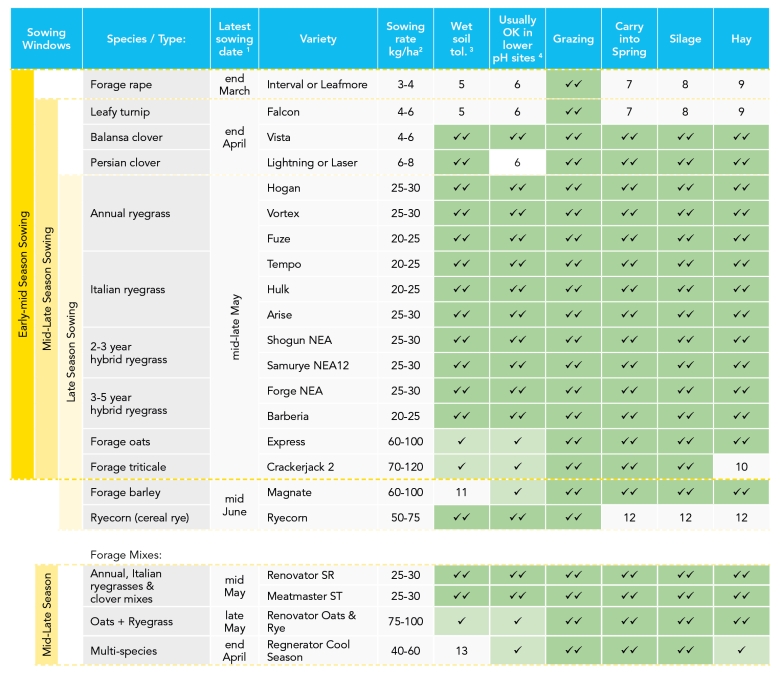
Key:
✓✓ Highly reliable option (Consider historical performance and / or seek good agronomic advice for particular site constraints)
✓ Usually a very good option (Consider historical performance and / or seek good agronomic advice for particular site constraints)
1 Indicative date that typifies latest confident sowing time. Seasonal, site and regional factors may affect this.
2 Use lower sowing rate for earlier sowing dates or for sites with reduced yield expectations. Conversely, sites with higher yield exceptions or at later sowing dates, a higher plant population is warranted in order to achieve yield potential.
3 Sites that are likely to get wet or waterlogged may see reduced establishment, performance or grazing recovery from lower ranked varieties
4 Lower ranked species and varieties are more prone to reduced growth potential and yield losses where soil pH (CaCl2) is under 5.5, and generally markedly reduced below pH 4.8
5 Forage brassicas unlikely to perform well under extended period of wet soil conditions.
6 Required pH of over 5.4 to perform reliably.
7 Forage brassicas typically have reduced growth rates over winter and tend to get ‘grazed-out’, making spring re-growth potential somewhat unreliable unless specifically managed with this intention.
8 Forage rape may be ensiled and grass/rape mixes are often of very good feed quality. Leafy turnips tend not to ensile well as they develop a thick basal stem.
9 Taking forage brassicas for hay may be done successfully in some situations, but is typically not performed regularly. Avoid conserving crops that are flowering.
10 Triticale seed head have long spikey awns that detract from stock acceptance for hay. Triticale silage is the better option as the seed-heads will be much softer and/or chopped in some cases.
11 Ryecorn is not recommended for retaining after late winter or early spring. Feed quality declines very rapidly with high fibre levels. Terminate the stand or graze out by around late August to early September.
12 Forage barley requires well-drained soil profile and unlikely to perform well under extended period of wet soil conditions.
13 Some mix components require well-drained soil profile and unlikely to perform well under extended period of wet soil conditions.
Varieties to consider:
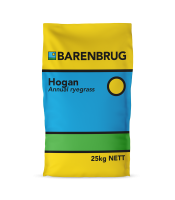
Hogan
-
Late season quality and re-growth
-
Very late maturing tetraploid annual ryegrass
-
Superior total forage yield in high rainfall areas
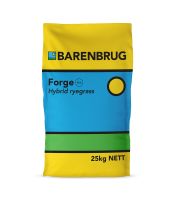
Forge NEA
-
Highly recommended for ryegrass systems
-
Improved performance over perennial options
-
Exceptional winter and early spring yield

Magnate
-
Up to 11% total yield improvement over Dictator 2
-
Cool-temperate climate zones, and areas with extended, humid spring conditions
-
Silage and hay production
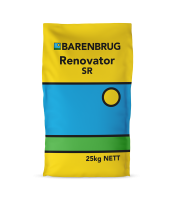
Renovator SR
-
Quality grazing & fodder 1-2 years
-
Fast establishment
-
Improved quality