
Pasture grasses boost productivity for Burdekin grazier
A slow and steady introduction of pasture grasses is helping north Queensland beef producer Graham Searle increase his herd and overall profitability, pursuing premium markets for grass fed beef.
Graham started the pasture improvement program at Jerona Station around four years ago, in consultation with Barenbrug Territory Manager Greg Forsyth.
“We were running about a 1000 head on a good year, but if we had a few dry years in a row, we'd have to back right off,” Graham says.
“But now we're pretty consistent, we can run 1100 head. You're getting better nutrition, so you're getting better growth rates and fingers crossed we get better fertility out of it.
“We're starting to build our numbers up and our country's looking a lot better. We are using the paddocks a lot better and rotating the cows.”
After clearing an initial 121 hectares, Graham planted a Rhodes grass mix with one quarter Bambatsi, avoiding legumes because of the need to control weeds in the coastal environment.
He says it took about a year for the pasture to fully establish and he used 125kg per hectare of slow release fertiliser to give the grasses a boost early on.
“Greg from Barenbrug helped us out a lot. You have to be patient, you can't just plant and expect all your seeds to germinate,” Graham says.
“You get a lot that germinate a bit later, it might be your second or third bit of rain.”
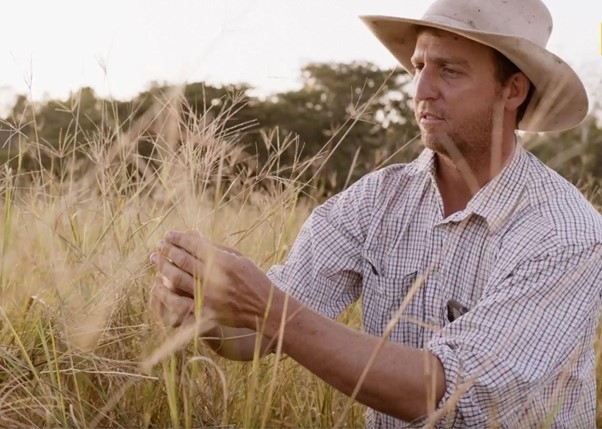
With five paddocks to rotate cattle across and almost 45 hectares of irrigated pasture, Graham says he’s been able to basically drought proof the property.
He’s experimented with irrigating a mixture of three Rhodes grasses in two of his irrigated paddocks, and has also used Bambatsi panic and Splenda Setaria.
“Splenda Setaria seems to be a variety that best suits our soils and climate, it has good ground cover and high growth rates. It’s very palatable and the cattle love it,” Graham says.
“When the weather starts to heat up and the cattle have grazed the irrigated pasture to the optimum height, I will put the spreader on and fertilise and water. This happens two to three times a year and really gets the grass going.”
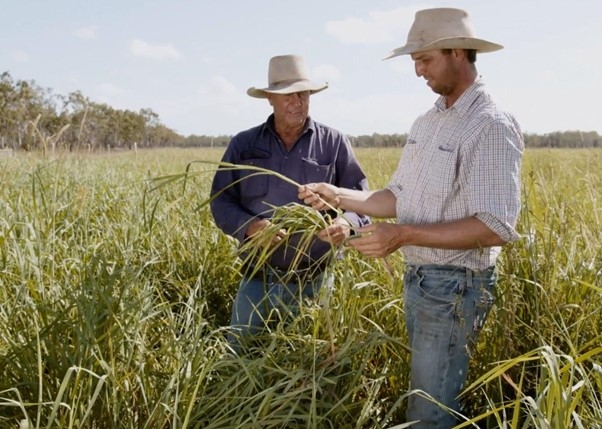
His advice for other producers looking to improve pasture with grasses is to focus on fencing and removing pests early on and to be patient.
“That was a big one for us,” he says.
“Look after it, don't hit it too hard in the first year because the cattle love it when it's young.
“Now we've got the grass established, we're going to look at introducing some legumes by planting strips through the grass paddocks we've got now.”
Looking to the future Graham is focused on improving turnoff times and exploring ways to boost his profitability.
“Chasing that premium market, it fluctuates each year - at the moment we’ve got two to four teeth bullocks, dressing over 300kgs, but then a couple of years ago there was big money in feeder steers.
“Another option in the meatworks is called Nature's Fresh, it targets young heifers and steers that are grass fed, have no grain and are HGP free. There’s better money in that.”
For more information on tropical grasses, visit barenbrug.com.au or speak to your local Territory Manager.
Varieties to consider:
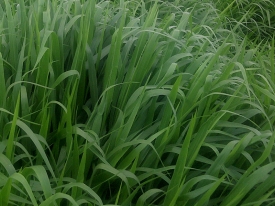
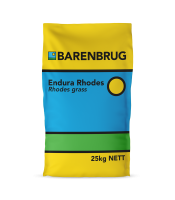
Endura
-
Well suited to grazing, reclamation and soil conservation activities
-
First choice for high quality Rhodes hay
-
High leaf to stem ratio
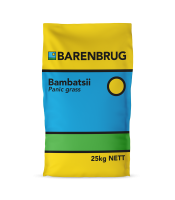
Bambatsii
-
High yielding and palatable perennial grass
-
Tolerates saline soils, waterlogging, drought conditions
-
Distinctive bluish leaves with prominent white mid rib
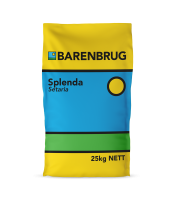
Splenda
-
Remains persistent once established
-
Very palatable to livestock
-
Combines well with legumes